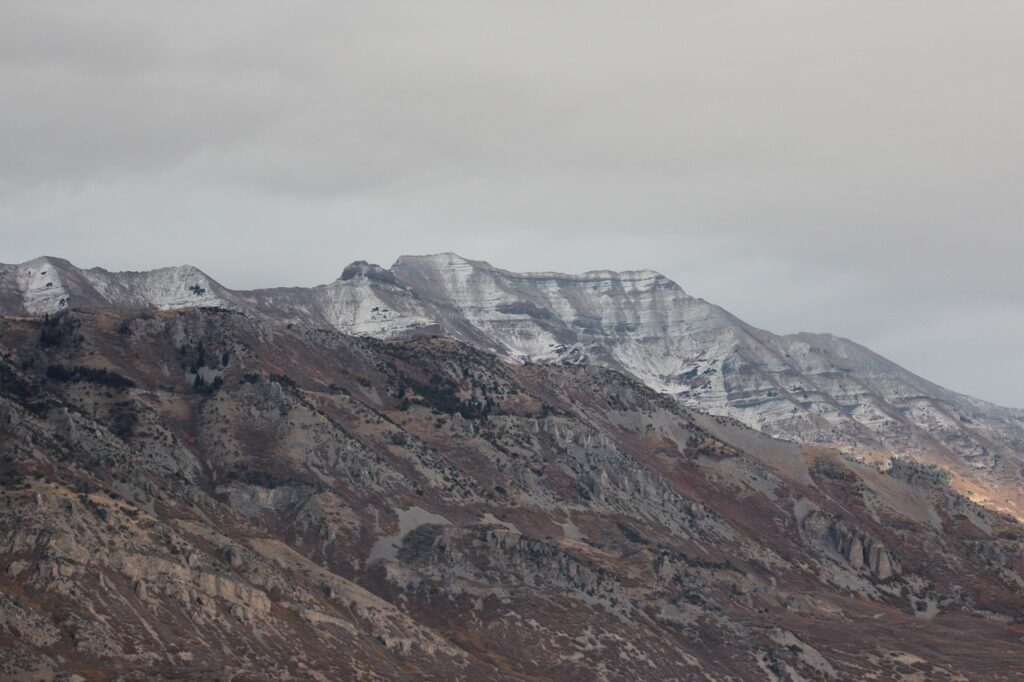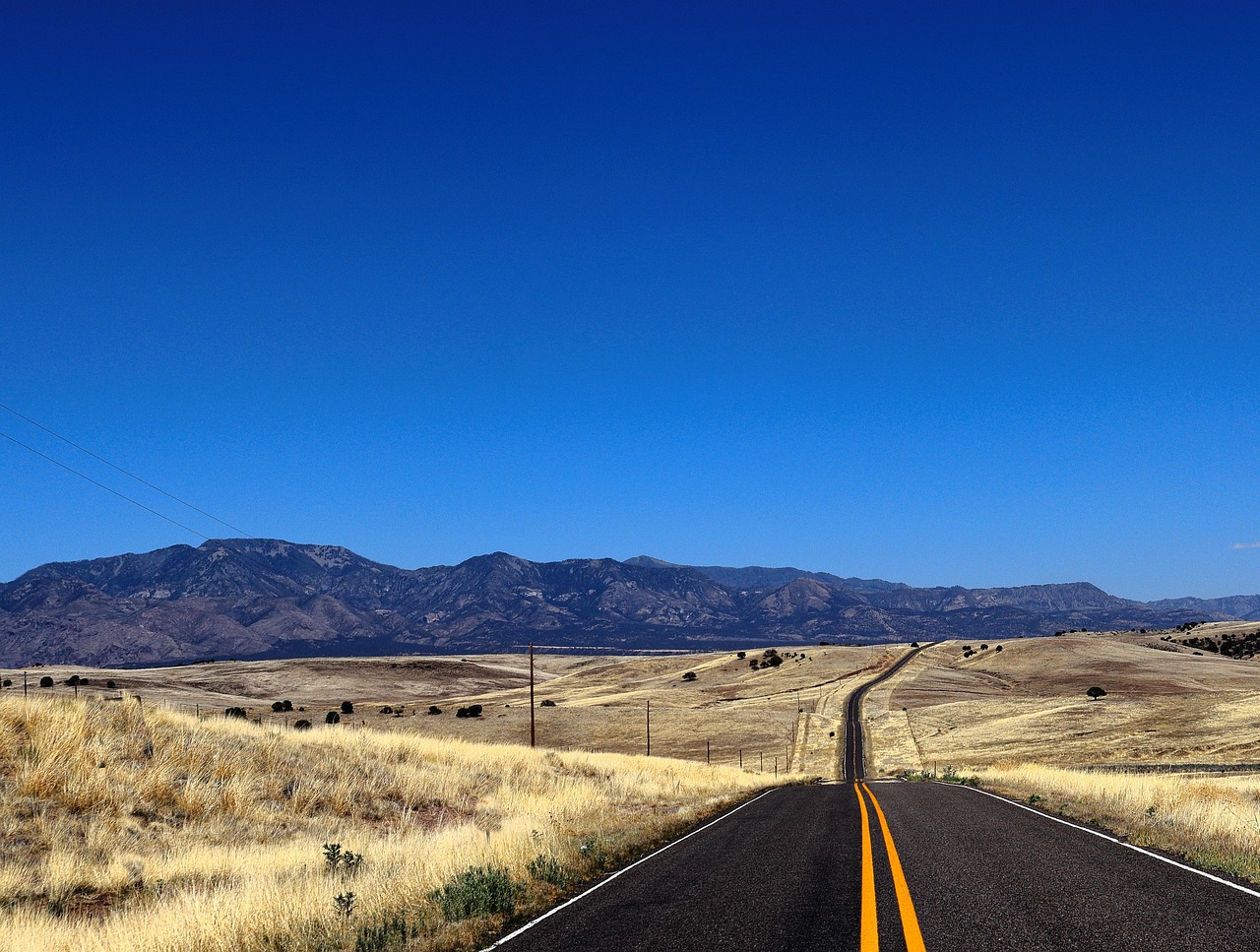
There’s nothing worse than breaking down on a remote Utah highway 50 miles from the nearest town with a car full of kids. We’ve learned through experience, and a few stressful moments, that properly prepping your car before a road trip is just as important as packing your bags. Here’s our complete family road trip car prep checklist so you can hit the road with confidence!
Mechanical Checks: Do These Before You Go
Oil & Fluids
- Check your oil level, If you’re due for an oil change within the next 1,000-2,000 miles, do it before your trip. Fresh oil gives your engine the best protection.
- Check coolant level, Especially important in summer desert driving where engine heat is a real concern.
- Check windshield washer fluid, Underrated until you’re driving into a bug storm on I-15 and can’t see anything.
- Check brake fluid, Low brake fluid can indicate worn brake pads or a leak. Either way, worth checking before you head into canyon country with steep descents.
- Check power steering fluid, If applicable to your vehicle.
- Check transmission fluid, Especially on older vehicles before a long trip.
Tires
- Check tire pressure, Use a gauge or your dashboard sensor. Properly inflated tires improve fuel economy and handling significantly. Check the sticker inside your driver’s door for the correct PSI.
- Check tire tread depth, Do the penny test: insert a penny head-first into the tread. If you can see all of Lincoln’s head, it’s time for new tires.
- Inspect tires for cracks or bulges, Any sidewall damage is a blowout waiting to happen.
- Check your spare tire, Make sure it’s properly inflated and that your jack and lug wrench are in the car. This is the one people always forget!
- Know how to change a tire, Or have roadside assistance coverage (AAA, or check if your insurance includes it).
Brakes & Battery
- Listen for brake noise, Squealing or grinding brakes should be inspected before a long trip, especially if you’ll be doing mountain driving.
- Check battery age and terminals, Most car batteries last 3-5 years. If yours is getting up there, have it tested at any auto parts store for free. Clean any corrosion off the terminals.
- Check all lights, Headlights, brake lights, turn signals, reverse lights. Have someone help you or back up to a wall to check brake lights yourself.
Belts, Hoses & Wipers
- Check serpentine belt, Look for cracking or fraying. A broken serpentine belt strands you immediately.
- Check radiator hoses, Squeeze them when cold. They should feel firm but not brittle. Cracks or softness are warning signs.
- Replace windshield wipers if streaking, You don’t think about wipers until you need them desperately in a downpour.
Inside the Car: What to Pack
Safety & Emergency Gear
- Jumper cables or jump starter pack, A portable lithium jump starter is a game-changer. Compact, powerful, and doesn’t require another car.
- Reflective triangles or road flares, For visibility if you’re broken down on the side of the road.
- Basic tool kit, Screwdrivers, pliers, zip ties, duct tape. You’d be surprised how often these come in handy.
- First aid kit, Bandages, antiseptic wipes, pain reliever, blister pads, tweezers, and any prescription medications.
- Flashlight with fresh batteries, Or a hand-crank/solar option.
- Emergency mylar blankets, Lightweight and potentially lifesaving in a breakdown situation in cold weather.
- Rain ponchos, Compact and invaluable when you’re stuck roadside in the rain.
Water & Hydration (This One Is Critical in Utah)
- Pack way more water than you think you need, We keep a dedicated 5-gallon water jug in the back of the car on Utah road trips. Between hiking, the heat, and the dry desert air, you’ll go through water faster than you expect.
- Individual water bottles for everyone, Kids are much better about drinking when they have their own bottle. We love insulated bottles that keep water cold for hours.
- Water filtration straw or filter, For emergencies or backcountry access where clean water sources exist.
- Electrolyte packets, Toss a box of Liquid IV or similar in the car for hot days.
Comfort & Organization
- Car organizer/backseat caddy, Life-changing for keeping the backseat sane with kids. Tablets, snacks, books, all organized and within reach.
- Trash bag, Clip one to the headrest. Trust us.
- Sunshades for rear windows, Essential for keeping kids shaded and comfortable in the desert sun.
- Neck pillows and travel blankets, For naps on long stretches.
- Charging cords and a multi-port car charger, Keep phones and tablets charged for navigation and entertainment.
- Offline entertainment, Download movies, shows, and podcasts before you go. Cell service disappears in large stretches of rural Utah.
Apps & Navigation Prep
- Download offline maps, Google Maps lets you download areas for offline use. Do this before you leave home.
- Download AllTrails maps, If you’re hiking, download your planned trails offline.
- Download the NPS app, Has offline maps and information for every national park.
- Screenshot or print key directions, Old school, but having paper backup is smart in no-signal zones.
- Share your trip itinerary, Let someone at home know your route and expected check-in times, especially for remote areas.
Fuel Strategy
- Never let your tank drop below 1/4 in rural Utah, Gas stations can be 50+ miles apart in areas like the San Rafael Swell, Capitol Reef region, and along Scenic Byway 12. Always fill up when you see a station.
- Know where gas stations are on your route, A quick Google Maps search of “gas station” along your route before you leave identifies any long gaps.
- Keep a small gas can, Especially if venturing onto dirt roads or remote areas.
Our Quick Pre-Departure Checklist
The night before you leave, run through this quick list:
- Oil, coolant, and fluid levels checked
- Tire pressure checked (including spare)
- Lights all working
- Phone chargers and cords packed
- Offline maps downloaded
- Water packed (more than you think!)
- Snacks loaded and accessible
- Emergency kit in the trunk
- First aid kit packed
- Kids’ entertainment downloaded and charged
- Itinerary shared with someone at home
- Gas tank full
Road trips are our absolute favorite way to explore Utah as a family, but they’re only magical when you’re prepared. Take a couple of hours before departure to run through these checks, and you’ll be free to focus on the adventure ahead rather than worrying about what could go wrong. Happy trails!